

Evening sessions on the floor bring a different rhythm, and knowing how to manage your bankroll matters more than chasing a big win. I’ve watched plenty of players blow their stack before the midnight shift because they ignored the table pace. If you’re weighing up whether to stay seated or move on, the right choices keep your cash working longer. Some players also check a jackpot jill casino promo code before they settle in, but the real edge comes from reading the room and sticking to a plan that suits your own limits.
Match The Table To Your Bankroll
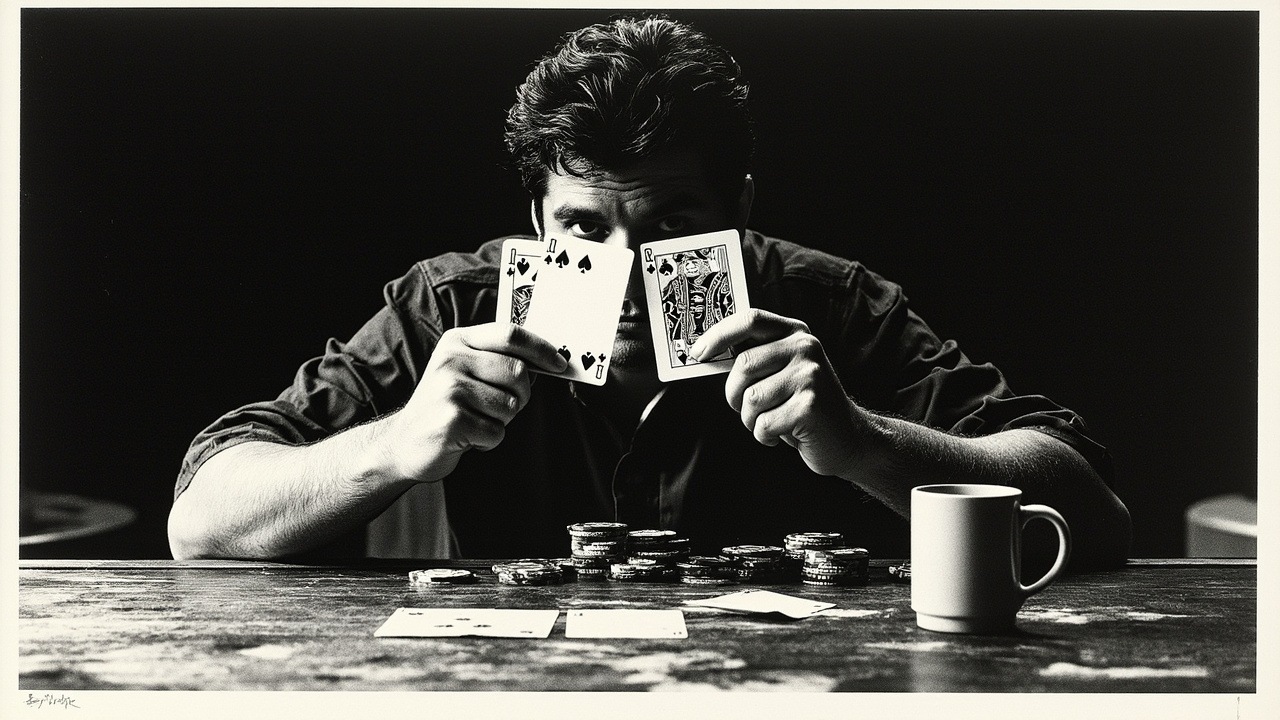
Picking the right table is the first decision you make, and it sets the tone for the whole arvo. I’ve managed pits where the six-deck blackjack tables ran slower and gave regulars more chances to make the right play, while the three-card poker machines moved so fast they chewed through a modest bankroll in twenty minutes. Look at the minimum bet relative to your total cash before you sit down; if the smallest stake eats ten percent of your session money, you’re already under pressure. Check how the dealer handles the shuffle and whether the pit allows mid-session breaks without fuss, because a table that feels rushed will test your discipline before the cards even land.
| Table type | Typical minimum bet | Pace feel | Best for |
|---|---|---|---|
| Six-deck blackjack | $10-$15 | Steady, dealer-driven | Players who like basic strategy and longer sessions |
| Three-card poker | $5-$10 | Fast, hands roll quickly | Short bursts and smaller bankrolls |
| Roulette (single zero) | $10-$20 | Moderate, bet placement slows play | Players who prefer outside bets and clear odds |
A table that fits your bankroll keeps the session comfortable, and comfort is what stops you from making desperate calls when the cards go cold.
Managing your funds wisely extends beyond the felt, especially when you want to explore other gaming options without risking your main budget. You can often find welcome offers that extend your playtime by visiting jackpot jill casino promo code at https://jackpotjillpromo.com/. This approach ensures you remain relaxed and focused, whether you are holding poker chips or spinning reels.
Read The Evening Rhythm Before You Commit
The floor changes character as the night settles in, and a smart player notices that shift before placing a serious bet. Around Sydney, the early evening crowd tends to be social and loose, which means tables can run a bit slower while everyone catches up after work. Once the late crowd arrives, the pace tightens and the pit staff start watching the bigger action more closely. I’ve trained dealers to call a brief pause when a table gets too busy, and that kind of floor management is worth looking for because it tells you the operator is running a proper shift rather than letting things drift. If you can spot a table where the dealer keeps a calm rhythm and the supervisor isn’t pushing for faster hands, you’ve found a spot where your cash can breathe instead of burning through itself.
Weigh Mobile Access Against The Live Floor
Some players want to keep an eye on things between hands, and that’s where mobile usability matters more than people admit. A browser that loads cleanly on a phone, with navigation that doesn’t fight you on a small screen, makes it easier to check your session notes or dip into a loyalty balance without losing your place at the table. I’ve seen operators where the app feels clunky and the page reloads slow you down, which is a genuine annoyance when you’re trying to keep track of your spend in real time. If you’re the sort who likes to step away for a smoke or a drink and still want to know where you stand, a responsive mobile setup is worth weighing against the live floor experience. A neighbour site with a clean mobile layout can be a handy reference point if you’re comparing how different operators handle the same shift hours.
Decide When To Stay And When To Walk
The hardest call of an evening session is knowing when your edge has turned into a grind, and that decision comes down to the limits you set before you sit down. I’ve run shift operations where we tracked how long regulars stayed at a table, and the ones who walked away with their cash intact usually had a clear stop point rather than a vague hope that the next hand would fix things. Write down a session limit in dollars and a time limit in minutes, then treat both as real boundaries instead of suggestions you can bend when you’re on a run. If the table pace picks up, the minimum bet climbs, or you find yourself chasing a result that went the wrong way, that’s your cue to reset rather than double down on a bad stretch. A disciplined exit keeps your bankroll available for the next arvo instead of vanishing into a night you’ll regret.
Knowing when to stay and when to walk is the decision that protects your cash more than any lucky streak ever will. Set your limits before the first card drops, watch the floor rhythm, and pick tables that suit the bankroll you actually brought. If you keep those three things in order, an evening session stays a proper night out instead of a costly one.